Most home office audio problems get lumped together as “soundproofing,” and that is why people buy the wrong fix. Foam panels on a wall do not stop your neighbor’s lawn mower. A door seal does not cure the hollow echo behind you on a call. In 2026, video calls are a daily job requirement for a lot of remote workers, and the right fix depends on which of three problems you actually have.
This guide sorts them out and covers three inexpensive products worth buying first. It is based on spec sheets, manufacturer descriptions, and owner feedback, not on lab measurements. We did not measure decibel reduction, and neither should you expect a $10 seal to turn a spare bedroom into a studio.
Soundproofing vs. Sound Absorption vs. Masking
Three different things get sold under one label:
- Soundproofing (blocking). Stops sound passing through walls, doors, windows, and floors. It needs mass and airtight seals. Foam does not do this.
- Absorption. Soaks up reflections inside the room so your voice does not bounce back at the mic. This is what fixes echo. It is covered in depth in our guide to reducing echo on video calls.
- Masking. Adds steady background sound so intermittent noise, like voices in the hallway, is less noticeable to you and less intelligible to anyone nearby.
Work out which problem you have before you spend anything. If callers say you sound like you are in a bathroom, that is echo. If you hear the household during calls, or the household hears you, that is a blocking and masking problem.
| Spec | Suptikes 2 Pack Door Draft Stopper | JBER Acoustic Foam Panels (12-Pack) | Yogasleep Dohm Classic White Noise Machine |
|---|---|---|---|
| Rating | 8.2/10 | 8.2/10 | 8.4/10 |
| Price | $9.98as of Oct 25, 2026 | $21.99as of Oct 25, 2026 | $49.99as of Oct 25, 2026 |
| Size | 2 in wide x 39 in long | — | — |
| Material | Silicone weather strip | High-density polyurethane foam | — |
| Install | Self-adhesive backing | Self-adhesive | — |
| Gap Coverage | Gaps up to 1 inch | — | — |
| Pack Size | 2 strips | 12 panels, 12 x 12 x 1 inch | — |
| Coverage | — | About 12 sq ft per pack | — |
| Sound Source | — | — | Real fan, not a recording |
| Speeds | — | — | Two-speed settings |
| Type | — | — | Mechanical fan-based sound machine |
| Color | — | — | Tan |
| Check Price → | Check Price → | Check Price → |
Prices change daily — tap Check Price for the current Amazon price.
Step 1: Seal the Door
The cheapest, most overlooked leak is the gap under the door. A hollow interior door with a visible gap lets speech pass almost freely.
Suptikes 2 Pack Door Draft Stopper — Best Budget Fix
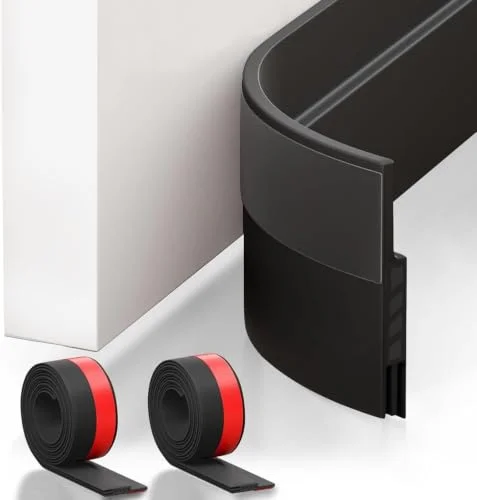
Suptikes 2 Pack Door Draft Stopper
Pros
- Closes the gap under the door, which is one of the easiest paths for hallway and household noise into a home office
- Self-adhesive install takes a few minutes with no tools or drilling
- Costs less than a single acoustic panel, so it is the cheapest first step in this guide
- Two strips in the pack, so you can seal a second door or trim a spare
Cons
- Does nothing for noise coming through walls, windows, or the ceiling
- A seal on a bottom gap can drag on thick carpet, so check clearance before sticking it down
- Adhesive strips can be fiddly to remove or reposition once pressed in place
This is a silicone strip that sticks to the bottom of the door and closes gaps up to 1 inch, according to the listing. It is a draft stopper first and marketed as helping with noise second, so treat it as a gap closer, not as a sound barrier. For the price it is the first thing to try. Check that the door still closes over your flooring before you peel the backing.
Best for: Any office with a door that visibly lets light through underneath. Skip if the problem is a thin shared wall.
Step 2: Treat the Echo
If your calls sound hollow, the fix is absorption, placed where your voice bounces. Start behind your desk and beside your monitor, because those walls reflect straight back at your mic.
JBER Acoustic Foam Panels (12-Pack) — Best for Echo
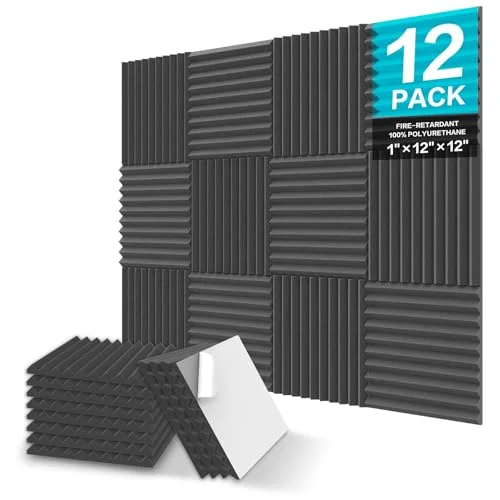
JBER Acoustic Foam Panels (12-Pack)
Pros
- Absorbs mid- and high-frequency reflections off bare walls, the cause of that hollow, empty-room sound on calls
- Self-adhesive backing means no drilling or tools
- A single pack covers the wall behind your desk and the wall beside your monitor, the two reflection points that matter most for a mic
- Low price compared with fabric-wrapped panels
Cons
- Foam improves echo inside the room; it does not stop sound leaving or entering the room
- Thin 1-inch foam does little for low-frequency rumble like traffic or HVAC hum
- Adhesive can pull paint or drywall texture when you remove the panels later
Twelve 12 x 12 x 1 inch self-adhesive panels cover about 12 square feet. That is enough for the two key walls without turning the room into a recording booth. Be honest about what 1-inch foam does: it tames mid and high-frequency reflections. It will not do much for low rumble, and it will not keep sound from leaving the room.
Best for: Rooms with bare walls and hard floors, and anyone whose callers say you sound distant or hollow. Skip if the issue is outside noise.
Step 3: Mask What You Cannot Block
Some sound will get through no matter what you seal. Masking helps because a steady hum makes sudden speech and clatter less distracting.
Yogasleep Dohm Classic — Best Sound Masker
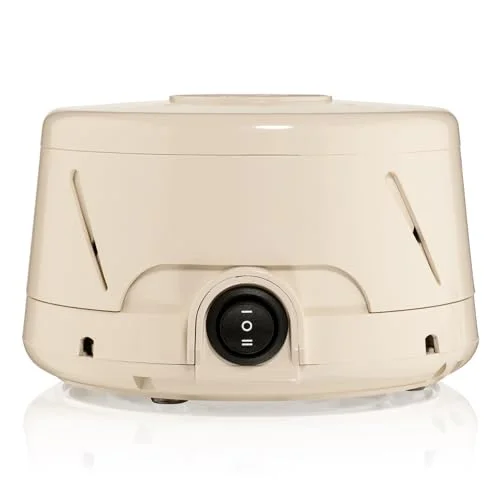
Yogasleep Dohm Classic White Noise Machine
Pros
- Masks the speech and household sounds that leak through a door you cannot fully seal
- Fan-based sound is a steady, non-looping hum, so there is no recorded loop to notice
- Helps keep your own calls from carrying into the next room
- Simple two-speed control with no app, account, or Bluetooth to manage
Cons
- Masks sound rather than blocking it, so loud noise still gets through
- Placed too close to your mic, the hum can end up on your calls, so keep it on the far side of the room or by the door
- No volume dial beyond its two speed settings, so fine-tuning means moving the unit
The Dohm uses a real fan to produce its sound, with two speed settings, and has been sold for decades according to the maker. Put it near the door or on the side of the room facing the noise source, not next to your microphone. If you are on calls where privacy matters, it also helps blur your side of the conversation for anyone in the next room.
Best for: Shared homes where voices carry through the door. Skip if you are very sensitive to constant background noise.
Fix the Microphone Side Too
Room treatment helps, but the largest improvement on calls often comes from getting the mic closer to your mouth and away from the room. A headset or a directional mic cuts the amount of room sound that reaches the call in the first place. See our picks for headsets for remote work, noise-cancelling headphones, and microphone boom arms. If you share the space for group calls, our speakerphone roundup covers units with built-in echo cancellation. For the full camera and audio picture, see the video call setup guide.
Buying Guide: What to Prioritize
- Diagnose first. Record a short voice memo from your desk. Hollow and echoey means absorption. Household noise bleeding in means sealing and masking.
- Seal before you absorb. Gaps are cheap to close and let the most sound through.
- Put absorption on the reflection points. Behind you and beside the mic beat covering random wall space.
- Match expectations to price. Foam, seals, and sound machines make a room calmer. Real blocking means heavy construction: mass, insulation, and decoupled walls.
- Check your lease. Adhesive panels and strips can mark paint. Test a small spot if you rent.
FAQ
Does acoustic foam soundproof a room? No. Foam absorbs reflections inside the room and improves echo. It is too thin and light to stop sound passing through a wall.
What is the cheapest thing that actually helps? Closing the gap under the door, then putting absorption on the wall behind your desk. Together they cost well under what a single premium panel costs.
Will a white noise machine make my calls sound worse? It can if the mic picks it up. Keep it across the room or near the door, and avoid pointing it at your microphone.
Do I need a headset if I treat the room? Not necessarily, but a headset or close-mic setup is the most direct way to reduce how much room sound reaches your call.
Can I fully soundproof a rental office? Not with removable products. You can reduce echo and leaks, but true soundproofing needs construction work that most renters cannot do.
Conclusion
Start with the door seal at under $10, add the foam panels behind your desk if calls sound hollow, and use the Dohm if household voices keep leaking in. Our top pick for the best first purchase is the Suptikes door draft stopper: it is cheap, easy to undo, and targets the leak most offices have. Pair it with the JBER foam panels if echo is your main complaint.
Detailed Reviews
Suptikes 2 Pack Door Draft Stopper
Pros
- Closes the gap under the door, which is one of the easiest paths for hallway and household noise into a home office
- Self-adhesive install takes a few minutes with no tools or drilling
- Costs less than a single acoustic panel, so it is the cheapest first step in this guide
- Two strips in the pack, so you can seal a second door or trim a spare
Cons
- Does nothing for noise coming through walls, windows, or the ceiling
- A seal on a bottom gap can drag on thick carpet, so check clearance before sticking it down
- Adhesive strips can be fiddly to remove or reposition once pressed in place
JBER Acoustic Foam Panels (12-Pack)
Pros
- Absorbs mid- and high-frequency reflections off bare walls, the cause of that hollow, empty-room sound on calls
- Self-adhesive backing means no drilling or tools
- A single pack covers the wall behind your desk and the wall beside your monitor, the two reflection points that matter most for a mic
- Low price compared with fabric-wrapped panels
Cons
- Foam improves echo inside the room; it does not stop sound leaving or entering the room
- Thin 1-inch foam does little for low-frequency rumble like traffic or HVAC hum
- Adhesive can pull paint or drywall texture when you remove the panels later
Yogasleep Dohm Classic White Noise Machine
Pros
- Masks the speech and household sounds that leak through a door you cannot fully seal
- Fan-based sound is a steady, non-looping hum, so there is no recorded loop to notice
- Helps keep your own calls from carrying into the next room
- Simple two-speed control with no app, account, or Bluetooth to manage
Cons
- Masks sound rather than blocking it, so loud noise still gets through
- Placed too close to your mic, the hum can end up on your calls, so keep it on the far side of the room or by the door
- No volume dial beyond its two speed settings, so fine-tuning means moving the unit