Most 2026 podcast-mic roundups say the same thing: the gap between USB and XLR has narrowed, and a good USB mic is fine for plenty of people. XLR still wins on one point that matters in a home office. You can pick a dynamic mic that ignores the fan, the street, and the keyboard, then upgrade the interface or the arm later without replacing the mic.
If you record a podcast or a long recorded call from a spare room, an XLR setup gives you a clear upgrade path. The five microphones below cover the practical range, from a budget hybrid to the broadcast standard. Two add-ons, an interface and a boom arm, round out the shopping list, since an XLR mic does nothing on its own.
Quick Picks
| Spec | RØDE PodMic Cardioid Dynamic Broadcast Microphone | Shure SM7B Dynamic Vocal Microphone | Samson Q2U USB/XLR Dynamic Microphone Recording and Podcasting Pack | Shure SM58 Pro Dynamic Vocal Microphone with 25-ft XLR Cable | Audio-Technica AT2020 Cardioid Condenser Studio XLR Microphone | Focusrite Scarlett Solo 4th Gen USB-C Audio Interface | Rode PSA1+ Pro Studio Boom Arm |
|---|---|---|---|---|---|---|---|
| Rating | 9.0/10 | 9.5/10 | 8.0/10 | 8.0/10 | 7.5/10 | 8.5/10 | 8.5/10 |
| Price | $67.65-$85.00as of Oct 11, 2026 | $402.30-$439.00as of Oct 11, 2026 | $64.95-$79.99as of Oct 11, 2026 | $129.00as of Oct 11, 2026 | $101.98-$118.00as of Oct 11, 2026 | $143.77-$159.99as of Oct 11, 2026 | $139.99as of Oct 11, 2026 |
| Type | Dynamic, cardioid | Dynamic, cardioid | Dynamic, cardioid | Dynamic, cardioid | Condenser, cardioid | — | Desk-clamp boom arm |
| Connection | XLR | XLR | USB and XLR | XLR | XLR | USB-C to computer | — |
| Built-in | Internal pop filter and swing mount | — | — | — | — | — | — |
| Phantom power | Not required | Not required | Not required | Not required | 48V required | 48V available | — |
| Switches | — | Bass roll-off and presence boost | — | — | — | — | — |
| Included | — | — | Desk stand, mic clip, windscreen, cables | 25-ft XLR cable | — | — | — |
| Use | — | — | — | — | Treated or very quiet rooms | — | Heavier dynamic mics |
| Inputs | — | — | — | — | — | 1 XLR/instrument combo input | — |
| Extras | — | — | — | — | — | Air mode and auto gain | — |
| Cable management | — | — | — | — | — | — | Built-in cable clips |
| Mount | — | — | — | — | — | — | Desk clamp |
| Check Price → | Check Price → | Check Price → | Check Price → | Check Price → | Check Price → | Check Price → |
Prices change daily — tap Check Price for the current Amazon price.
The Picks
RØDE PodMic Cardioid Dynamic Broadcast Microphone
Pros
- Dynamic capsule ignores a lot of room echo and keyboard noise
- Built-in pop filter and swing mount, so no extra accessories to buy
- Works with any interface, no phantom power needed
- Priced far below the broadcast mics it gets compared to
Cons
- Wants a decent amount of preamp gain, so budget interfaces can sound hissy
- Heavy for its size, so it needs a proper boom arm
- XLR only, with no USB fallback
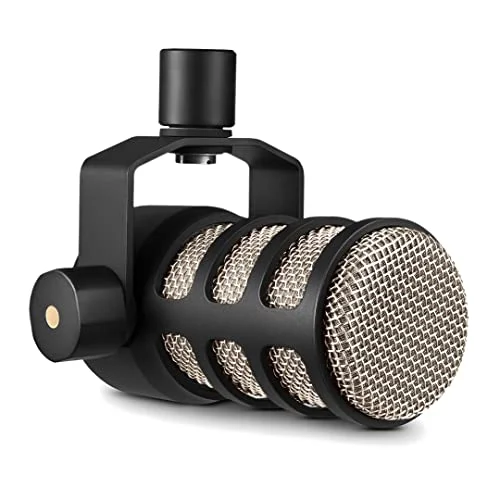
The RØDE PodMic is the mic to buy if you want to stop shopping. It is a dynamic cardioid with an internal pop filter and an integrated swing mount, which means the accessories most mics need are already built in. Dynamic capsules reject most of the sound that isn’t directly in front of them, and that is the main reason it makes sense in an untreated spare bedroom or shared office.
The catch is gain. The PodMic needs a reasonably clean preamp to sound its best, and the cheapest interfaces can add hiss when you push them. It is also heavier than it looks, so plan for a real boom arm rather than the flimsy desk stand a USB mic can get away with. At this price, based on owner feedback and the spec sheet, it is hard to beat for solo podcasters and recorded calls.
Shure SM7B Dynamic Vocal Microphone
Pros
- The broadcast-voice standard, with a deep, smooth sound that flatters most voices
- Excellent rejection of off-axis noise in an untreated room
- Bass roll-off and presence switches adjust the tone at the mic
- Heavy-duty build that holds up for years of daily use
Cons
- Low output, so it needs a clean, high-gain preamp or an inline booster
- Costs several times what the budget picks here do
- Needs a sturdy boom arm and a close speaking distance
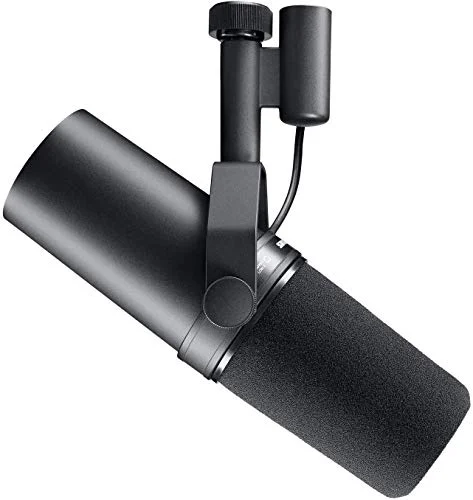
The Shure SM7B is the studio fixture you see in broadcast and podcast clips. It is a dynamic cardioid with switches for bass roll-off and presence boost, and it has a reputation for making an untreated room sound better than it has any right to. If you plan to record seriously for years, it is the mic you are least likely to outgrow.
It is also the most demanding pick here. Output is low, so you need an interface with clean, high gain or an inline booster, and you need to speak close to it. Add a heavy-duty boom arm and the total climbs well past the mic’s own price. If you are unsure you will keep recording, start with the PodMic and move up later.
Samson Q2U USB/XLR Dynamic Microphone Recording and Podcasting Pack
Pros
- Plugs into a laptop over USB today and into an interface over XLR later
- Comes with the stand, cables, and windscreen in the box
- Dynamic capsule suits a bedroom or spare-room office
- Lowest cost way to start with a real XLR mic
Cons
- Plastic-feeling build compared to the metal mics here
- Sound is thinner than the PodMic or SM7B
- Included desk stand picks up desk bumps
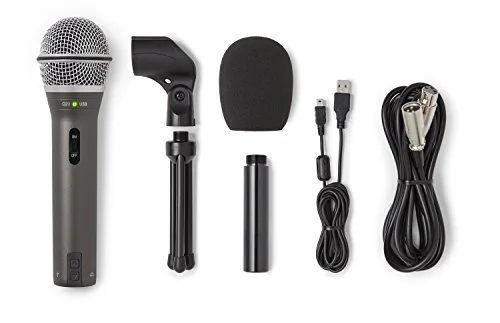
The Samson Q2U is the safest first step. It has both a USB and an XLR output, so you can plug it straight into a laptop for a first episode and keep it when you add an interface. The package includes the desk stand, mic clip, windscreen, and cables, so nothing else is needed on day one.
The trade-off is sound and build. It is plastic where the PodMic and SM7B are metal, and the voice comes out thinner. Think of it as a low-risk way to find out whether you will actually keep recording, rather than the mic you will keep for ten years.
Shure SM58 Pro Dynamic Vocal Microphone with 25-ft XLR Cable
Pros
- Famously durable handheld mic that survives drops and desk accidents
- Tight cardioid pattern keeps room noise down
- Cable included, so it works out of the box with an interface
- Easy to resell or reuse for other jobs
Cons
- Built for singing, so it sounds less full on speech than the PodMic or SM7B
- Strong proximity effect and handling noise if you hold it
- Needs a mic clip or stand adapter bought separately
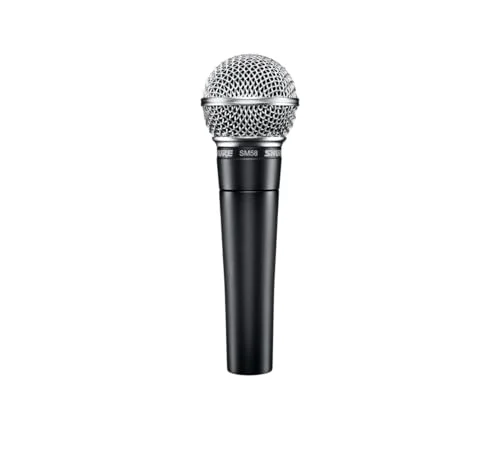
The Shure SM58 is a vocal mic first, but the same durability and tight pickup pattern make it a workable speech mic. It ships with a 25-ft XLR cable, so it works with an interface right away. It tolerates desk bumps and the occasional drop, which counts for something in a shared household office.
Speech through an SM58 is less full than through a PodMic or SM7B, and it has more proximity effect and handling noise if you hold it in your hand. For a pure podcast setup, the PodMic is the better value. Pick the SM58 if you also want a mic that can double for music or live use.
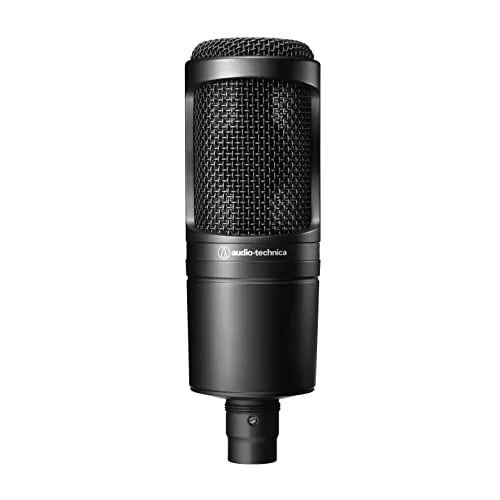
Audio-Technica AT2020 Cardioid Condenser Studio XLR Microphone
Pros
- Detailed, bright sound with good clarity on voice
- Condenser capsule picks up quiet delivery well
- Long-standing studio-entry mic with plenty of accessories available
- Inexpensive for a large-diaphragm style condenser
Cons
- Picks up room echo, fans, and keyboard clatter a dynamic mic would ignore
- Requires an interface with 48V phantom power
- A poor fit for an untreated home office
The Audio-Technica AT2020 is the one condenser on the list, and it is here as a conditional pick. In a quiet, treated room it delivers a clear, detailed voice. In a typical home office it also delivers the air conditioner, the traffic outside, and every keystroke.
It needs 48V phantom power from your interface, and it rewards a room with soft surfaces or acoustic panels. If you are still sorting out echo, read our guide to home office audio setup first, or go with one of the dynamic mics above.
What You Need Alongside the Mic
An XLR mic cannot connect to a computer by itself. These two additions complete the chain.
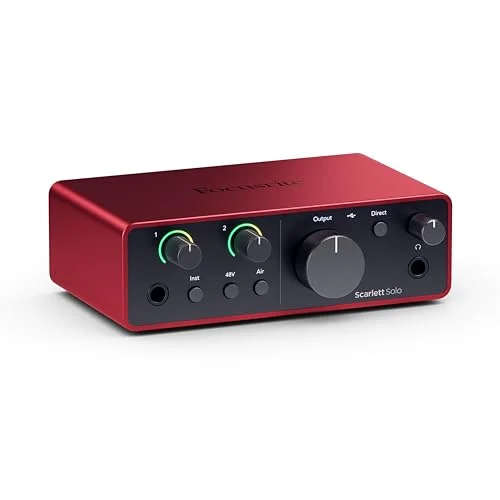
Focusrite Scarlett Solo 4th Gen USB-C Audio Interface
Pros
- Single-input design is all a solo podcaster needs
- Quiet preamp with enough gain for most dynamic mics
- Auto gain helps set levels fast on the first session
- USB-C connection and a compact desk footprint
Cons
- Only one mic input, so no guest on a second mic
- Gain is adequate but not generous for an SM7B on quiet speakers
- No dedicated headphone volume control for a second listener
The Focusrite Scarlett Solo 4th Gen is a one-input interface, which is exactly what a solo podcaster needs. It supplies 48V phantom power for condensers like the AT2020 and has enough gain for the PodMic and most dynamic mics. If you plan to run an SM7B on a quiet voice, add an inline booster or step up to a high-gain interface.
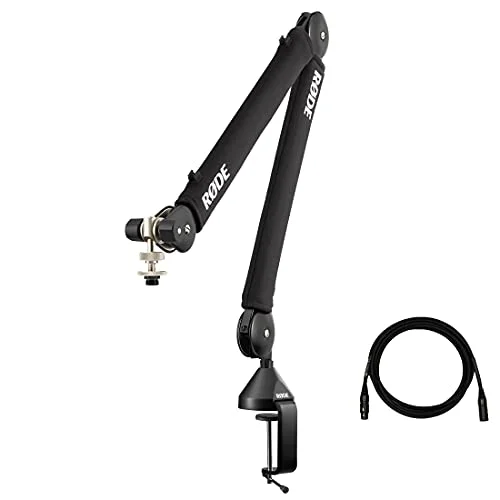
Rode PSA1+ Pro Studio Boom Arm
Pros
- Holds a heavy dynamic mic without slow sagging
- Quiet, dampened movement for live recording
- Clean cable routing keeps the desk tidy
- Quick mic swaps for testing different picks
Cons
- Costs more than basic arms
- Needs desk edge clearance for the clamp
- Overkill for a light USB mic
The Rode PSA1+ is the arm that keeps a heavy dynamic mic exactly where you put it. For a cheaper option or a lighter mic, see our boom arm roundup. If you would rather skip the interface entirely, our USB microphone picks cover the plug-in alternatives.
XLR Microphone Buying Guide
Dynamic or Condenser
Dynamic mics reject room noise and suit most home offices. Condensers capture more detail but also more of the room. If your office is not quiet or treated, choose dynamic.
Gain and Interface Requirements
Low-output mics such as the SM7B and, to a lesser extent, the PodMic need clean gain. Check how much gain your interface provides before you buy, and budget for an inline booster if you are unsure.
Phantom Power
Dynamic mics do not need phantom power. Condensers like the AT2020 require 48V, so confirm that your interface supplies it.
Mounting
Heavy dynamic mics want a proper boom arm. A mic that sags or sits on a desk stand picks up desk bumps and keyboard thumps, which undoes the benefit of a good mic.
Room Treatment Still Counts
Even a dynamic mic sounds better with soft surfaces nearby. A rug, curtains, or a few panels cost little and improve results with any mic. For other upgrades, a condenser mic roundup covers when that style makes sense.
A comfortable ergonomic chair also matters if you plan to record for long stretches, since fidgeting shows up on a close mic.
FAQ
Q: Is an XLR microphone better than a USB microphone for podcasting? A: Not automatically. A good USB mic is simpler and perfectly adequate for many people. XLR gives you a wider choice of mics and room to upgrade the interface later, at the cost of extra gear and setup.
Q: Do I need an audio interface for an XLR microphone? A: Yes, unless the mic also has USB output like the Samson Q2U. An interface converts the analog signal to digital and supplies phantom power for condensers.
Q: Which XLR mic is best for a noisy home office? A: A dynamic cardioid such as the RØDE PodMic or Shure SM7B. Their pickup patterns and capsule design reject more background noise than a condenser.
Q: Do I need phantom power? A: Only for condenser mics like the AT2020. The dynamic mics in this list do not need it.
Q: Can I use the Shure SM7B with any interface? A: It works with any XLR interface, but its low output means a budget interface can run short of clean gain. Pair it with a high-gain interface or an inline booster.
The Bottom Line
The RØDE PodMic is the pick for most remote workers who want to start podcasting: it is dynamic, inexpensive, and has the pop filter and mount built in. Choose the Shure SM7B if you want the long-term broadcast standard and can supply the gain and arm to go with it. Start with the Samson Q2U if you want to test the hobby before committing to an interface.
Detailed Reviews
RØDE PodMic Cardioid Dynamic Broadcast Microphone
Pros
- Dynamic capsule ignores a lot of room echo and keyboard noise
- Built-in pop filter and swing mount, so no extra accessories to buy
- Works with any interface, no phantom power needed
- Priced far below the broadcast mics it gets compared to
Cons
- Wants a decent amount of preamp gain, so budget interfaces can sound hissy
- Heavy for its size, so it needs a proper boom arm
- XLR only, with no USB fallback
Shure SM7B Dynamic Vocal Microphone
Pros
- The broadcast-voice standard, with a deep, smooth sound that flatters most voices
- Excellent rejection of off-axis noise in an untreated room
- Bass roll-off and presence switches adjust the tone at the mic
- Heavy-duty build that holds up for years of daily use
Cons
- Low output, so it needs a clean, high-gain preamp or an inline booster
- Costs several times what the budget picks here do
- Needs a sturdy boom arm and a close speaking distance
Samson Q2U USB/XLR Dynamic Microphone Recording and Podcasting Pack
Pros
- Plugs into a laptop over USB today and into an interface over XLR later
- Comes with the stand, cables, and windscreen in the box
- Dynamic capsule suits a bedroom or spare-room office
- Lowest cost way to start with a real XLR mic
Cons
- Plastic-feeling build compared to the metal mics here
- Sound is thinner than the PodMic or SM7B
- Included desk stand picks up desk bumps
Shure SM58 Pro Dynamic Vocal Microphone with 25-ft XLR Cable
Pros
- Famously durable handheld mic that survives drops and desk accidents
- Tight cardioid pattern keeps room noise down
- Cable included, so it works out of the box with an interface
- Easy to resell or reuse for other jobs
Cons
- Built for singing, so it sounds less full on speech than the PodMic or SM7B
- Strong proximity effect and handling noise if you hold it
- Needs a mic clip or stand adapter bought separately
Audio-Technica AT2020 Cardioid Condenser Studio XLR Microphone
Pros
- Detailed, bright sound with good clarity on voice
- Condenser capsule picks up quiet delivery well
- Long-standing studio-entry mic with plenty of accessories available
- Inexpensive for a large-diaphragm style condenser
Cons
- Picks up room echo, fans, and keyboard clatter a dynamic mic would ignore
- Requires an interface with 48V phantom power
- A poor fit for an untreated home office
Focusrite Scarlett Solo 4th Gen USB-C Audio Interface
Pros
- Single-input design is all a solo podcaster needs
- Quiet preamp with enough gain for most dynamic mics
- Auto gain helps set levels fast on the first session
- USB-C connection and a compact desk footprint
Cons
- Only one mic input, so no guest on a second mic
- Gain is adequate but not generous for an SM7B on quiet speakers
- No dedicated headphone volume control for a second listener
Rode PSA1+ Pro Studio Boom Arm
Pros
- Holds a heavy dynamic mic without slow sagging
- Quiet, dampened movement for live recording
- Clean cable routing keeps the desk tidy
- Quick mic swaps for testing different picks
Cons
- Costs more than basic arms
- Needs desk edge clearance for the clamp
- Overkill for a light USB mic